Buy cleanenergy.eu ?
We are moving the project
cleanenergy.eu .
Are you interested in purchasing the domain
cleanenergy.eu ?
domain@kv-gmbh.de · 0541-91531010
Buy cleanenergy.eu ?
Are water waves only transverse waves or also longitudinal waves?
Water waves are primarily transverse waves, meaning that the particles of the medium (water) move perpendicular to the direction of the wave. However, water waves also have a small component of longitudinal motion, where the particles move parallel to the direction of the wave. This combination of transverse and longitudinal motion is what allows water waves to carry energy and propagate through the medium. **
Does wind affect the transmission range of radio waves?
Yes, wind can affect the transmission range of radio waves. Wind can cause signal attenuation by creating obstacles such as trees or buildings that can block or reflect radio waves. Additionally, strong winds can cause movement in antennas or transmission equipment, leading to changes in the direction or focus of the radio waves, which can impact the transmission range. Overall, wind can play a role in the quality and reach of radio wave transmissions. **


Similar search terms for Waves
Top-Angebote
Products related to Waves:
-
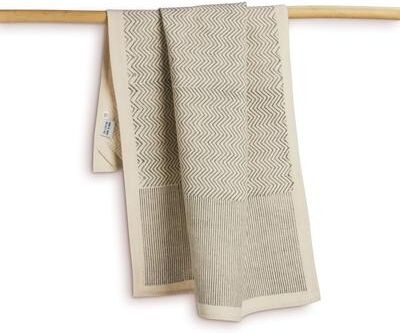
"MAKE WAVES Kitchen Towel - Hand Block Printed, 100% Kora Cotton, Hanging Loop, Fair Trade, 27""x19"" by Sustainable Threads"MAKE WAVES Kitchen Towels - Add warmth, craft, and intention to your kitchen with this set of two hand block printed tea towels, made from 100 % kora (unprocessed, unbleached) cotton.59,00 $*Shipping: 0,00 $Secure redirect to the provider


-
Does the wind affect the transmission range of radio waves?
Yes, the wind can affect the transmission range of radio waves. Wind can cause signal attenuation by introducing obstacles like trees or buildings that can block or reflect radio waves, leading to signal loss or distortion. Additionally, strong winds can cause movement in antennas, affecting their alignment and therefore the direction of the transmitted signal, which can impact the range and quality of the transmission. Overall, while the wind may not directly impact the radio waves themselves, its effects on the environment can indirectly influence the transmission range. **
-
Are radio waves, especially ELF waves, faster than light waves or the speed of light?
No, radio waves, including extremely low frequency (ELF) waves, do not travel faster than the speed of light. The speed of light in a vacuum is approximately 299,792 kilometers per second, and radio waves, including ELF waves, travel at the speed of light. This means that radio waves, including ELF waves, do not exceed the speed of light. **
-
Is solar energy renewable?
Yes, solar energy is renewable because it is derived from the sun, which is a virtually limitless source of energy. The sun's energy is constantly being replenished and will continue to do so for billions of years. This makes solar energy a sustainable and renewable source of power that can be harnessed for electricity generation and other applications. **
-
Do you like waves?
As an AI, I don't have personal preferences, but I can tell you that waves are a natural phenomenon that many people find beautiful and soothing. The rhythmic motion and sound of waves crashing against the shore can be calming and mesmerizing for some, while others may enjoy the thrill of surfing or other water activities. Overall, waves are a fascinating and integral part of the Earth's oceans and can evoke a range of emotions and experiences for different people. **

What are radio waves?
Radio waves are a type of electromagnetic radiation with wavelengths ranging from about 1 millimeter to 100 kilometers. They are used for communication, including radio and television broadcasting, cell phone signals, and Wi-Fi. Radio waves are also used in radar systems for navigation, weather forecasting, and detecting objects. They are a form of non-ionizing radiation, which means they have lower energy levels and are generally considered to be safe for human exposure. **
What are seismic waves?
Seismic waves are waves of energy that travel through the Earth's layers, often as a result of an earthquake or other geological activity. There are two main types of seismic waves: body waves and surface waves. Body waves, including P-waves and S-waves, travel through the interior of the Earth, while surface waves travel along the Earth's surface. Seismic waves are used by scientists to study the Earth's interior and to understand the behavior of earthquakes. **
Top-Angebote
Products related to Waves:
-
Goldwell Dualsenses Curls & Waves Shampoo 1000ml & Curls & Waves CondiSave on your favourite Shampoo and Conditioner with this exclusive duo pack. Shampooo: Enriched with microPROtec complex and milk protein, this professional-standard Curly Twist shampoo instantly hydrates and cleanses the hair without drying it. Ideal for naturally wavy, curly and permed hair, this gentle-as-water formula enhances elasticity and adds a defined, weightless bounce to every lock. Expertly developed with built-in colour protection, the Goldwell Curls & Waves Shampoo effectively hue minimises fading. Conditioner: With a unique blend of milk protein and microPROtec complex, this salon-worthy Curly Twist conditioner instantly hydrates, detangles and softens the hair without weighing it down. Ideal for naturally curly, wavy and permed hair, this advanced Goldwell formula enhances elasticity and movement too. Shampoo: Water/Aqua/Eau, Sodium Laureth Sulfate, Sodium Lauroyl Sarcosinate, Lauryl Hydroxysultaine, PEG-3 Distearate, Sodium Chloride, Ethylhexylglycerin, Lactic Acid, Polyquaternium-10, Amodimethicone, PEG-150 Pentaerythrityl Tetrastearate, PPG-2 Hydroxyethyl Cocamide, Panthenol, Sodium PCA, Glycerin, C12-14 Pareth-12, Octyldodecyl PCA, Butylene Glycol, Hydrolyzed Milk Protein, PPG-9, C11-15 Pareth-7, Laureth-9, Trideceth- 12, Acetic Acid, Benzyl Alcohol, Glycoproteins, Salix Nigra (Willow) Bark Extract, Sodium Benzoate, Benzoic Acid, Phenoxyethanol, Potassium Sorbate, Fragrance/Parfum, Citronellol, Limonene, Linalool, Green 3/CI 42053, Yellow 5/CI 19140. Conditioner: Water/Aqua/Eau, Cetearyl Alcohol, Betaine, Hydroxypropyl Starch Phosphate, Petrolatum, Panthenol, Lactic Acid, Sodium Cetearyl Sulfate, Laureth-2, Octyldodecyl PCA, Sodium PCA, Glycerin, Ethylhexylglycerin, Glyoxylic Acid, Hydrolyzed Milk Protein, Amodimethicone, C11-15 Pareth-7, Laureth-9, Trideceth- 12, Acetic Acid, Benzyl Alcohol, Tocopherol, Glycoproteins, Salix Nigra (Willow) Bark Extract, BHT, Phenoxyethanol, Potassium Sorbate, Sodium Benzoate, Fragrance/Parfum, Citronellol, Limonene, Linalool, Blue 1/CI 42090, Orange 4/CI 15510, Yellow 5/CI 1914099,90 £*Shipping: 0,00 £Secure redirect to the provider
-
RoomMates Blue & Green Mosaic Waves Peel and Stick WallpaperTiny hashmarks like little sticks line up in close formation in undulating horizontal waves creating soft movement left to right in Mosaic Waves peel and stick wallpaper from RoomMates.37,37 $*Shipping: 0,00 $Secure redirect to the provider
-
"MAKE WAVES Kitchen Towel - Hand Block Printed, 100% Kora Cotton, Hanging Loop, Fair Trade, 27""x19"" by Sustainable Threads"MAKE WAVES Kitchen Towels - Add warmth, craft, and intention to your kitchen with this set of two hand block printed tea towels, made from 100 % kora (unprocessed, unbleached) cotton.59,00 $*Shipping: 0,00 $Secure redirect to the provider
-
Are water waves only transverse waves or also longitudinal waves?
Water waves are primarily transverse waves, meaning that the particles of the medium (water) move perpendicular to the direction of the wave. However, water waves also have a small component of longitudinal motion, where the particles move parallel to the direction of the wave. This combination of transverse and longitudinal motion is what allows water waves to carry energy and propagate through the medium. **
-
Does wind affect the transmission range of radio waves?
Yes, wind can affect the transmission range of radio waves. Wind can cause signal attenuation by creating obstacles such as trees or buildings that can block or reflect radio waves. Additionally, strong winds can cause movement in antennas or transmission equipment, leading to changes in the direction or focus of the radio waves, which can impact the transmission range. Overall, wind can play a role in the quality and reach of radio wave transmissions. **
-
Does the wind affect the transmission range of radio waves?
Yes, the wind can affect the transmission range of radio waves. Wind can cause signal attenuation by introducing obstacles like trees or buildings that can block or reflect radio waves, leading to signal loss or distortion. Additionally, strong winds can cause movement in antennas, affecting their alignment and therefore the direction of the transmitted signal, which can impact the range and quality of the transmission. Overall, while the wind may not directly impact the radio waves themselves, its effects on the environment can indirectly influence the transmission range. **
-
Are radio waves, especially ELF waves, faster than light waves or the speed of light?
No, radio waves, including extremely low frequency (ELF) waves, do not travel faster than the speed of light. The speed of light in a vacuum is approximately 299,792 kilometers per second, and radio waves, including ELF waves, travel at the speed of light. This means that radio waves, including ELF waves, do not exceed the speed of light. **
Similar search terms for Waves
-
Is solar energy renewable?
Yes, solar energy is renewable because it is derived from the sun, which is a virtually limitless source of energy. The sun's energy is constantly being replenished and will continue to do so for billions of years. This makes solar energy a sustainable and renewable source of power that can be harnessed for electricity generation and other applications. **
-
Do you like waves?
As an AI, I don't have personal preferences, but I can tell you that waves are a natural phenomenon that many people find beautiful and soothing. The rhythmic motion and sound of waves crashing against the shore can be calming and mesmerizing for some, while others may enjoy the thrill of surfing or other water activities. Overall, waves are a fascinating and integral part of the Earth's oceans and can evoke a range of emotions and experiences for different people. **
-
What are radio waves?
Radio waves are a type of electromagnetic radiation with wavelengths ranging from about 1 millimeter to 100 kilometers. They are used for communication, including radio and television broadcasting, cell phone signals, and Wi-Fi. Radio waves are also used in radar systems for navigation, weather forecasting, and detecting objects. They are a form of non-ionizing radiation, which means they have lower energy levels and are generally considered to be safe for human exposure. **
-
What are seismic waves?
Seismic waves are waves of energy that travel through the Earth's layers, often as a result of an earthquake or other geological activity. There are two main types of seismic waves: body waves and surface waves. Body waves, including P-waves and S-waves, travel through the interior of the Earth, while surface waves travel along the Earth's surface. Seismic waves are used by scientists to study the Earth's interior and to understand the behavior of earthquakes. **
* All prices are inclusive of VAT and, if applicable, plus shipping costs. The offer information is based on the details provided by the respective shop and is updated through automated processes. Real-time updates do not occur, so deviations can occur in individual cases. ** Note: Parts of this content were created by AI.